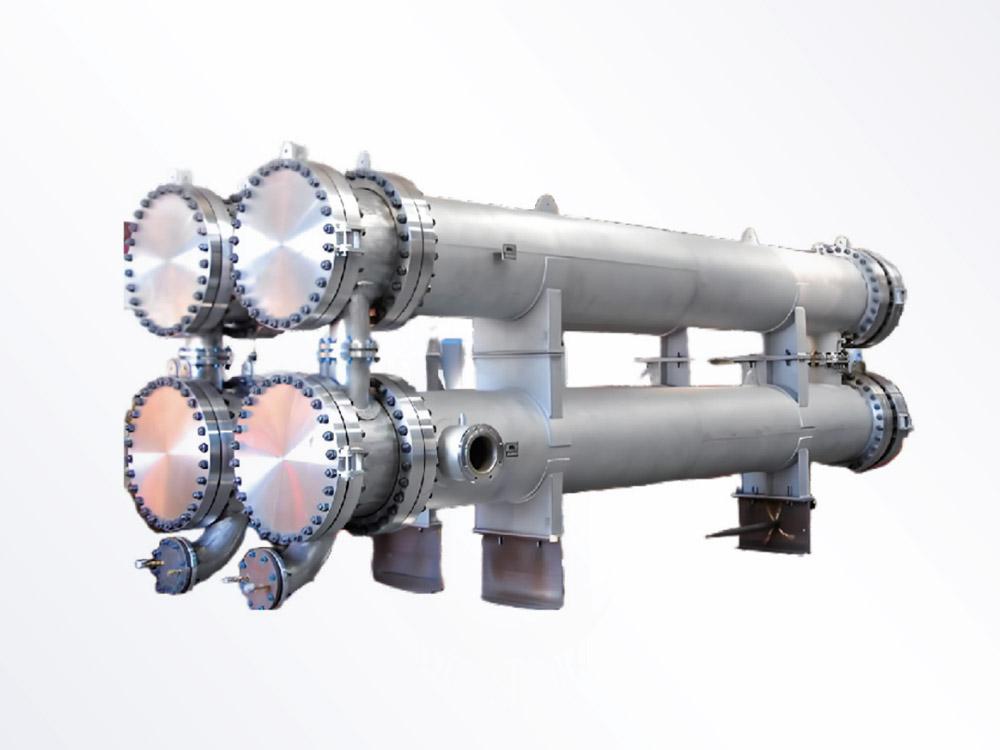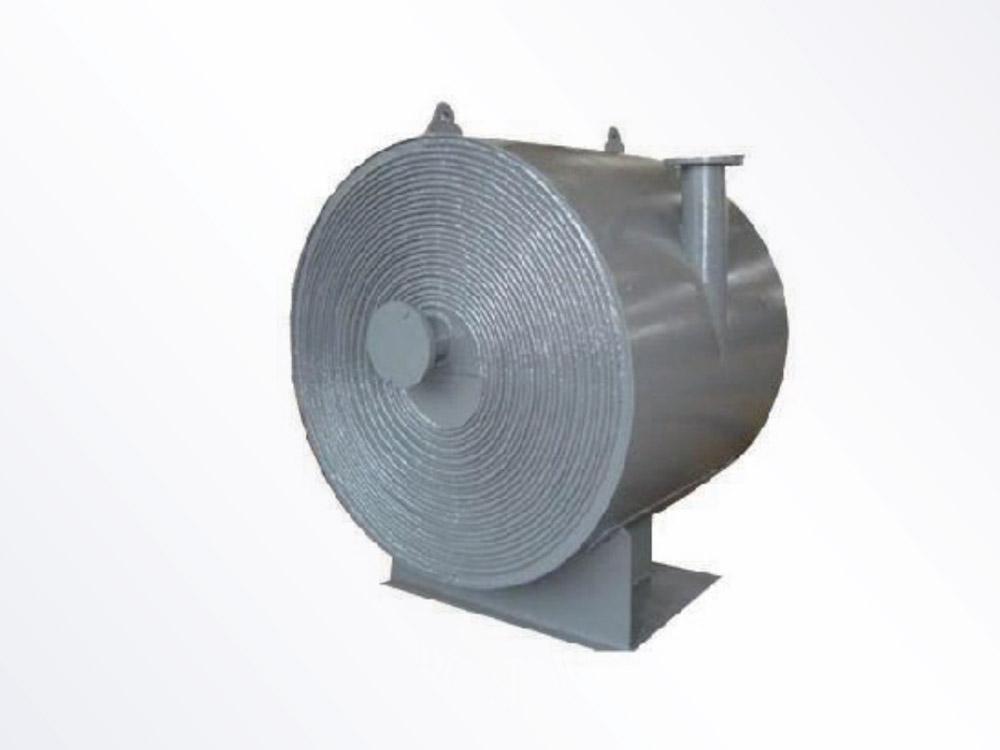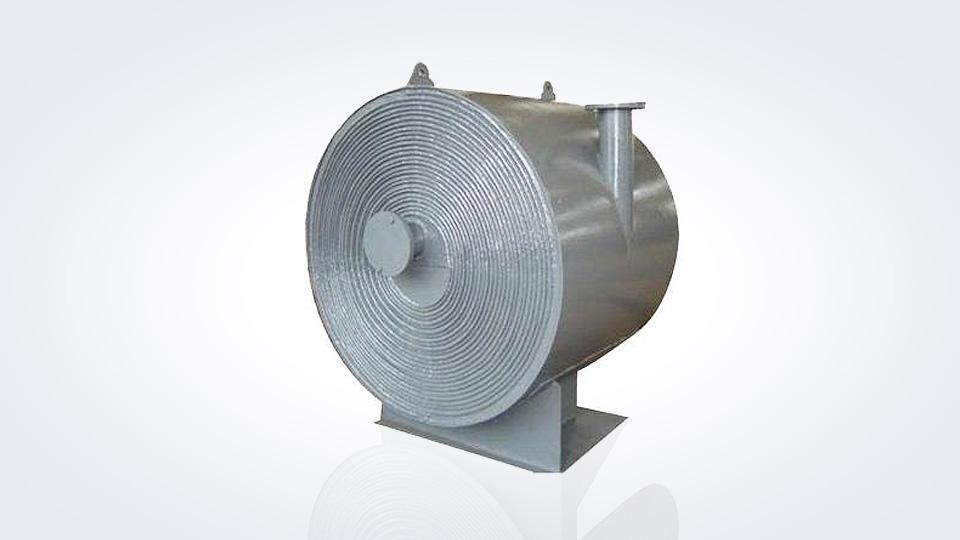
Overview
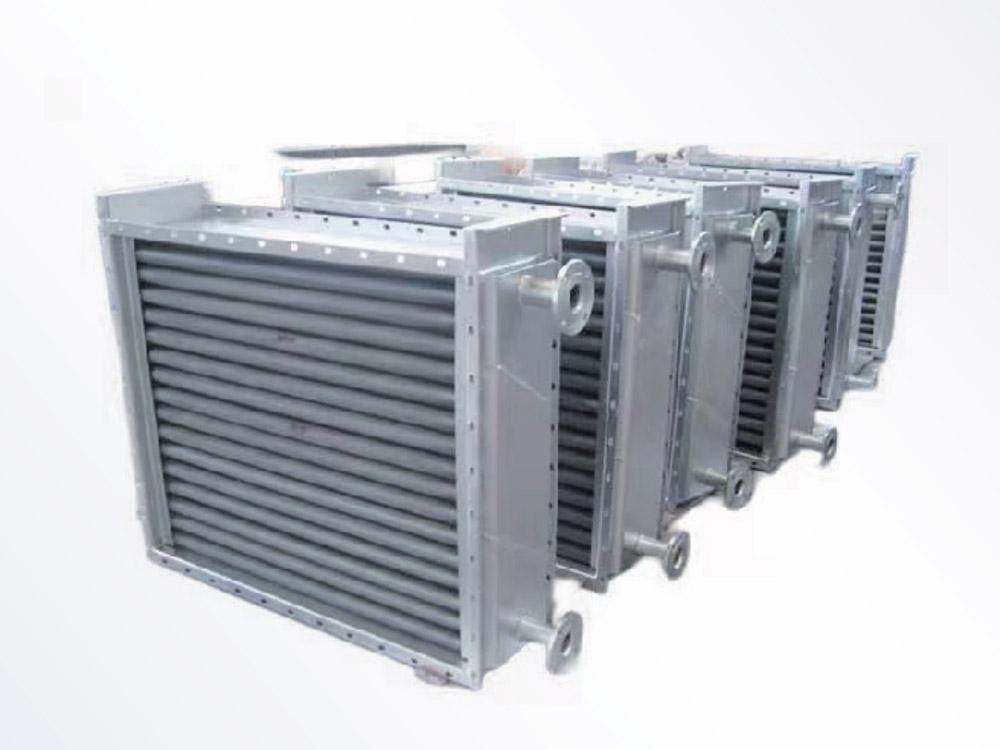
Industrial radiators (commonly known as finned radiators) are core heat exchange devices in industrial applications that use air as the heat transfer medium. By attaching fins to the surface of the base tubes, they expand the heat transfer area on the air side, enabling efficient heat exchange between gases and liquids/steam.
Key Advantages: Compact structure, high heat transfer efficiency, and strong adaptability. They are widely used in heating and cooling processes across industries such as chemical, machinery, power, metallurgy, and HVAC.
Working Principle & Structure
The core components of an industrial radiator consist of base tubes, fins, tube boxes, and a frame. Using liquids (water, thermal oil, refrigerant) or steam flowing inside the tubes as the heat medium, the fins on the outer surface enhance heat transfer on the air side, thereby achieving air heating or cooling.
Heat Transfer Enhancement: The air-side heat transfer area is increased by 3 to 10 times compared to bare tubes.